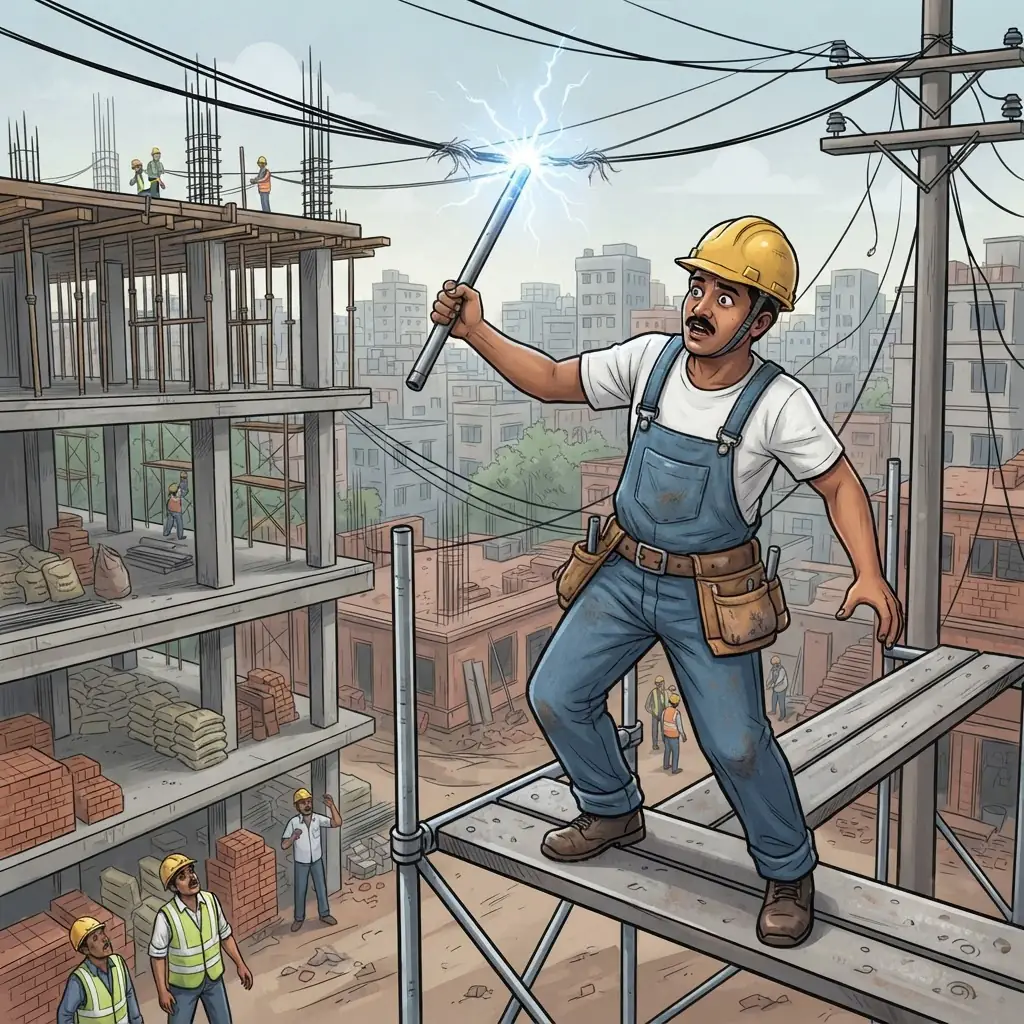
Electricity powers many construction activities, from lighting and power tools to heavy equipment. But damaged cables, unsafe connections and contact with live electrical parts can cause electric shock, burns, fires and fatal injuries.
Recognizing electrical hazards and keeping away from unsafe equipment can help prevent serious accidents.
How Can Electricity Cause Harm?
Electrical accidents can happen through direct contact with live parts or through faulty equipment.
Electric Shock Electric current passes through the body.
Burns Contact with electricity or an electrical arc can cause severe burns.
Fire Faulty wiring and overloaded connections can start fires.
Secondary Injuries A shock can cause someone to fall from a ladder or height.
Common Electrical Hazards
Electrical hazards are not always easy to recognize. Damaged equipment or unsafe connections may expose workers to danger.
Common hazards include:
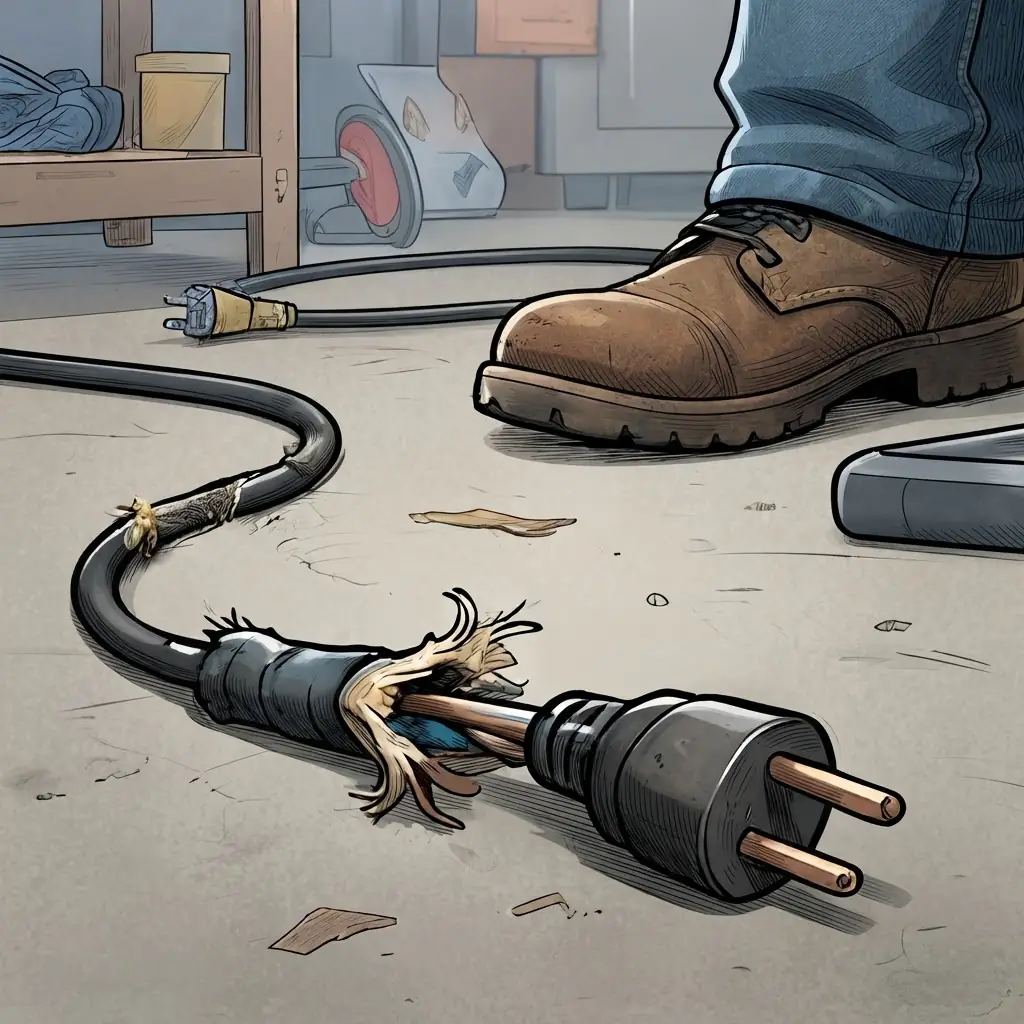
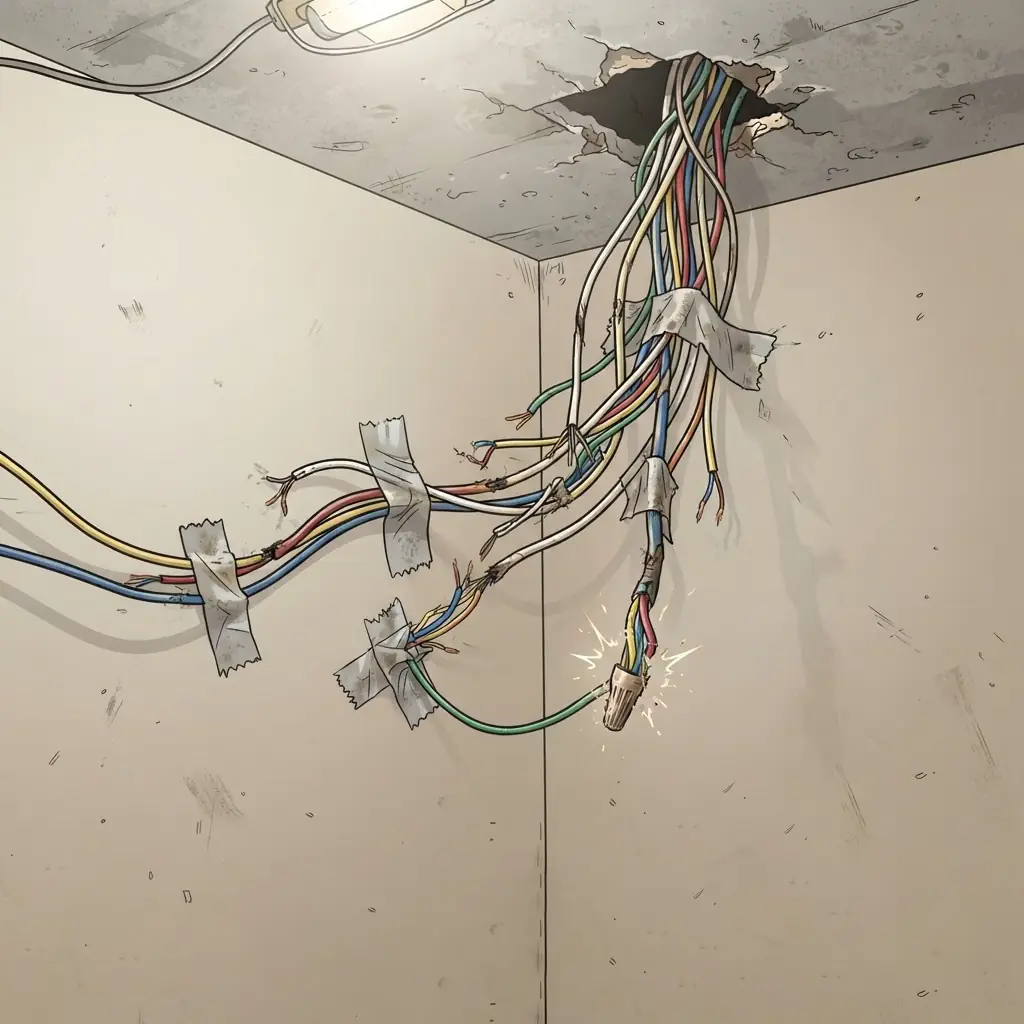
Damaged cables and exposed wires
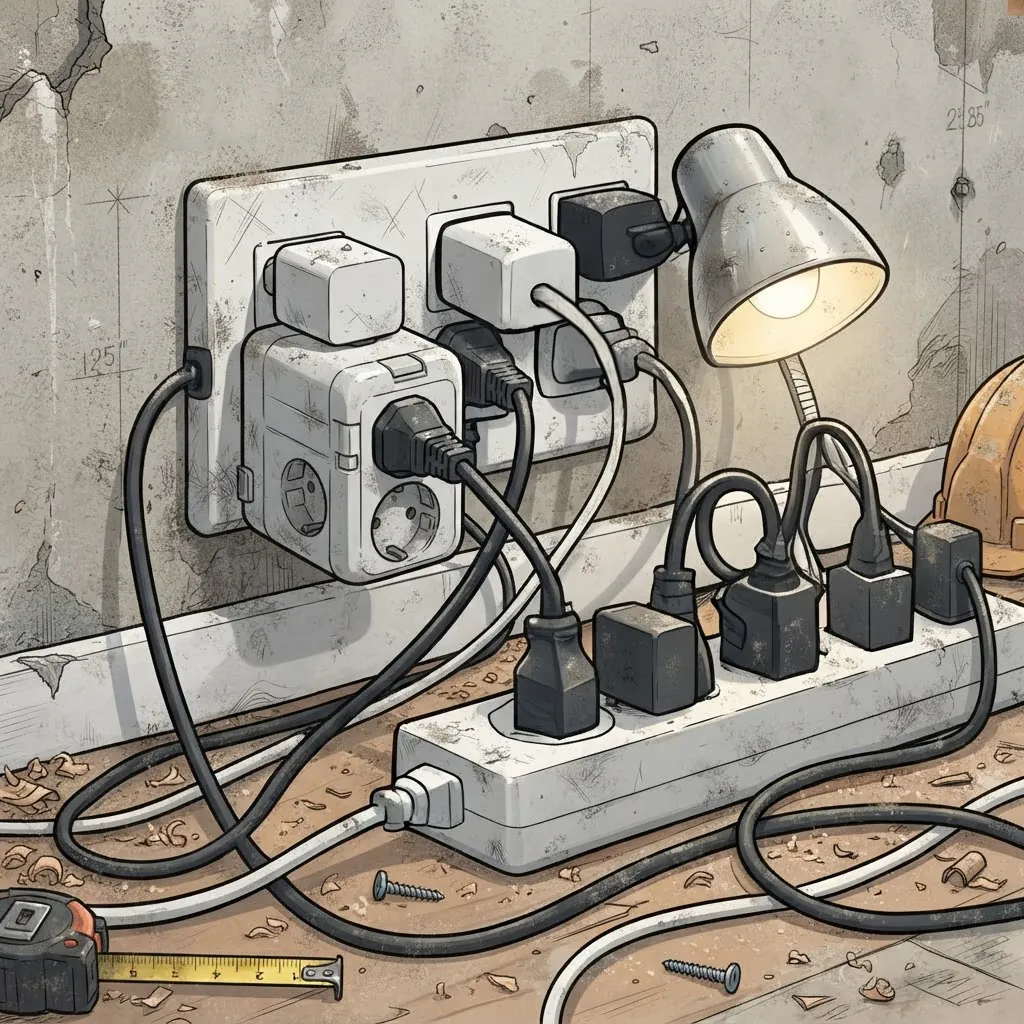
Overloaded sockets or extension boards
Wet conditions around electrical equipment
Improper temporary wiring
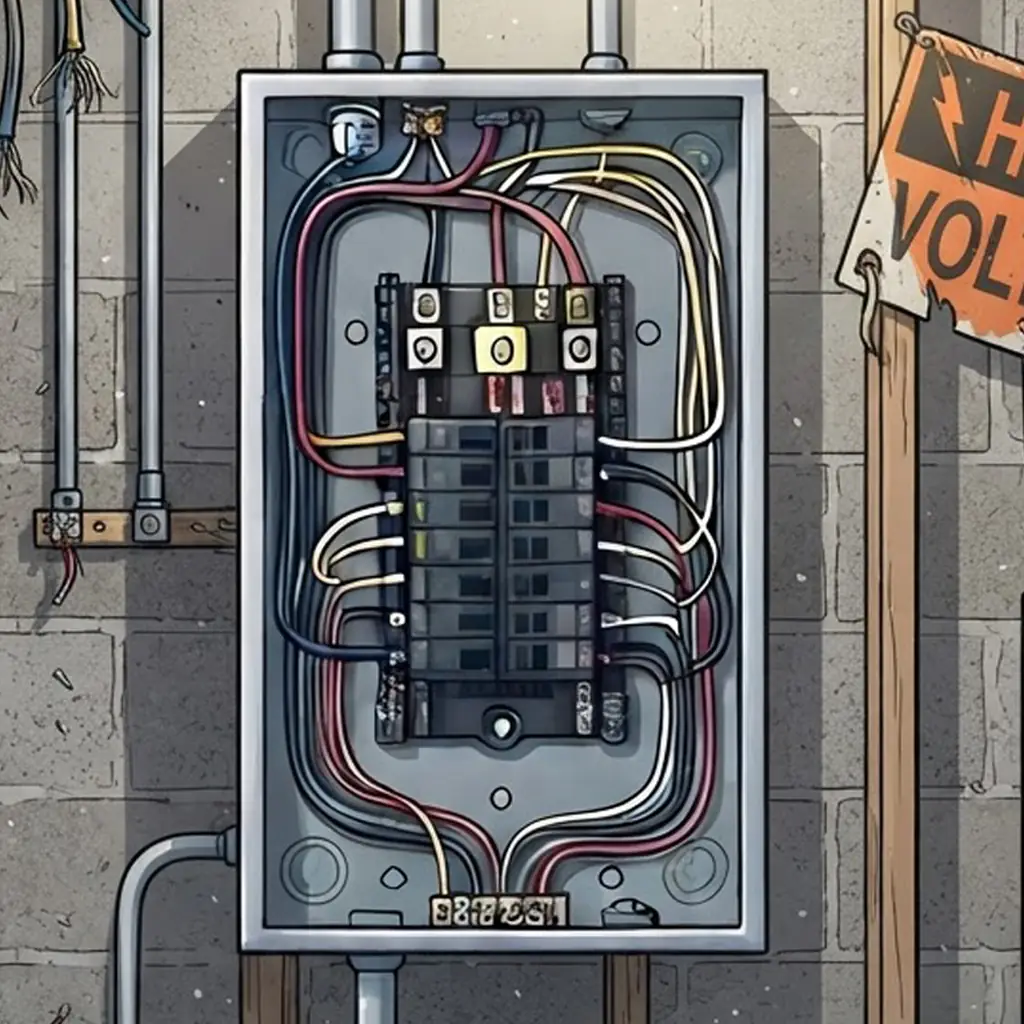
Exposed electrical panels
Contact with overhead power lines
Keep Electrical Equipment Safe
Follow these essential practices:
Never use damaged cables, plugs or electrical tools.
Keep electrical equipment away from water and wet conditions unless it is specifically suitable for those conditions.
Do not overload sockets or extension boards.
Keep electrical panels accessible and properly protected.
Use appropriate protection, grounding and inspection procedures.
Keep clear of overhead power lines and maintain required safe distances.
Electrical installation, repair and isolation must be handled by authorized, competent personnel.
What If You Find an Electrical Hazard?
Never touch exposed wires or attempt to repair electrical equipment unless you are authorized and competent to do so.
STOP
Stop work and keep away from the hazard.
WARN
Alert nearby workers and prevent access to the affected area.
REPORT
Inform the responsible supervisor or qualified electrician.
ISOLATE
Only authorized personnel should isolate the electrical supply using the appropriate safe procedure.
If someone receives an electric shock, do not touch them while they may still be in contact with a live source. Arrange emergency assistance and ensure the power is safely isolated before anyone approaches.
Quick Electrical Safety Check
Before using electrical equipment, ask:
☐ Are cables, plugs and tools free from visible damage? ☐ Are connections suitable for the working conditions? ☐ Is the equipment properly protected and inspected? ☐ Are electrical panels and access routes clear? ☐ Are overhead power lines or other electrical hazards nearby?
If you find a defect, do not use the equipment. Report it and keep it out of service until it has been made safe.
Unseen currents cause fatal mistakes. Never assume a wire or panel is dead.