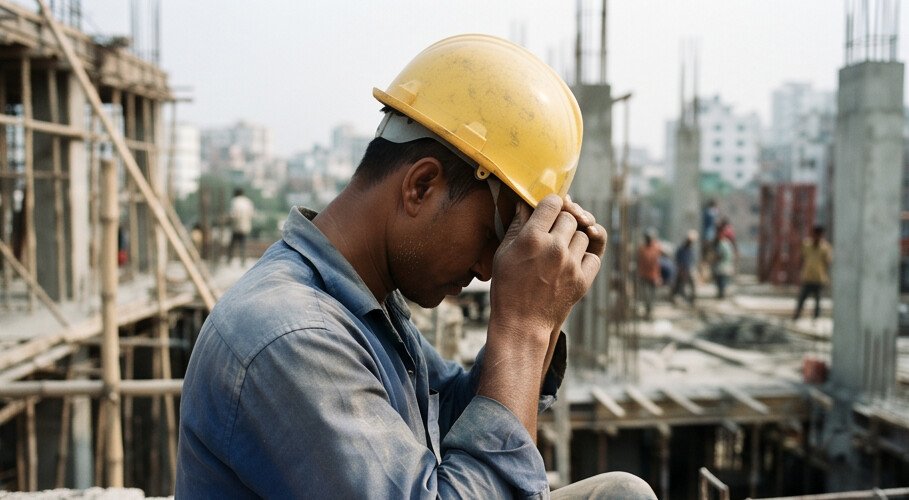

Excavation & Trench Safety
Assess the ground. Protect the excavation. Never take chances.
Excavations and trenches are essential for foundations, drainage and underground services. But soil can collapse suddenly, burying workers under a heavy mass of earth. Hidden utilities, falling materials, water and nearby machinery can make the work even more dangerous.
A trench that looks stable from the surface is not necessarily safe to enter.
No worker should enter an excavation until the required safety measures have been assessed and put in place.

Understand What Makes Excavations Dangerous
Excavation conditions can change as work progresses. Soil type, moisture, vibration, nearby structures and the weight of equipment can affect stability.
Common hazards include:
- Collapse of excavation walls.
- Falls into open trenches.
- Damage to buried electrical cables, gas pipes or water services.
- Materials or equipment falling into the excavation.
- Water accumulation and changing ground conditions.
- Nearby vehicles or machinery placing loads close to the edge.
- Unsafe access and difficulty escaping in an emergency.
Excavation collapse can happen quickly, leaving workers with little time to react.
Prevent Collapse Before Entry
The required protective measures depend on the excavation, ground conditions and applicable requirements. They must be determined by a competent person.
Depending on the conditions, protection may involve a properly designed sloping system, shoring or shielding. Simply making a trench look tidy or removing loose soil does not guarantee stability.
- Ensure the excavation is assessed before workers enter.
- Put the required protective system in place.
- Keep excavated soil, materials and heavy equipment away from the edge as specified by the safe-work plan.
- Protect nearby structures and services where excavation could affect their stability.
- Stop work if cracking, ground movement, falling soil or other signs of instability appear.
- Never enter an excavation where serious hazards remain uncontrolled.
Remember : No improvised protective arrangement should replace the system required for the actual site conditions.
Locate Underground Services
Excavation can damage buried electrical cables, gas lines, water pipes and other services. The consequences may include electrocution, fire, flooding or serious injury.
Before digging:
- Review available utility drawings and site information.
- Arrange for underground services to be located using appropriate methods.
- Follow the required permit, authorization and safe-digging procedures.
- Use the approved method for exposing services where necessary.
- Treat unidentified services as potentially dangerous.
If a cable or pipe is exposed unexpectedly or appears damaged, stop work, keep people away and notify the responsible personnel. Do not touch, move or attempt to repair it.
Keep Access, Edges and Surroundings Safe
Workers must be able to enter and leave the work area safely without being exposed to avoidable hazards.
- Provide suitable access and exit arrangements, such as appropriately positioned ladders or engineered access systems.
- Install required barriers, edge protection and warning signs.
- Keep access points free from obstructions.
- Control vehicle movement and heavy loads near the excavation.
- Prevent loose materials from falling into the trench.
- Manage water accumulation and drainage according to the excavation plan.
Do not allow workers to enter an excavation where flooding, unstable ground, unsafe access or another serious hazard has not been controlled.
Inspect and Monitor Changing Conditions
An excavation that was safe earlier may become unsafe after heavy rain, vibration, nearby loading or changes in the ground.
A competent person should inspect the excavation at the required times, including before entry and after events or changes that could affect safety. Additional inspections should follow the site’s procedures and applicable requirements.
Workers should report:
- New cracks or ground movement.
- Soil falling from the excavation wall.
- Damaged or displaced protective systems.
- Water entering or accumulating unexpectedly.
- Movement of nearby structures or equipment.
- Any change that makes access or escape difficult.
If a dangerous condition appears, stop work, keep people out and arrange reassessment before work resumes.
If an Excavation Emergency Occurs
If a collapse or another serious incident occurs, raise the alarm immediately and contact emergency services.
- Keep other workers away from the unstable area.
- Do not enter the trench to attempt an untrained rescue.
- Do not operate machinery or move soil in a way that could worsen the situation.
- Tell emergency responders about the location, known hazards and anyone who may be trapped.
- Follow the site’s emergency plan and responders’ instructions.
A second collapse can injure or kill people attempting to help. Rescue from an unstable excavation requires appropriately trained and equipped responders.
Quick Excavation Safety Check
☐ Has a competent person assessed the excavation?
☐ Is the required protective system in place?
☐ Have underground services been identified?
☐ Are edges, nearby loads and vehicle movements controlled?
☐ Is safe access and exit available?
☐ Have inspections been completed as required?
☐ Have changes in ground conditions been reported?
An excavation can become dangerous without warning.
Unstable ground, unprotected edges and underground services can put lives at risk before a problem is visible.
CHECK THE GROUND. PROTECT EVERY LIFE.
CONSTRUCTION WORKERS SAFETY
Learn | Prevent | Protect