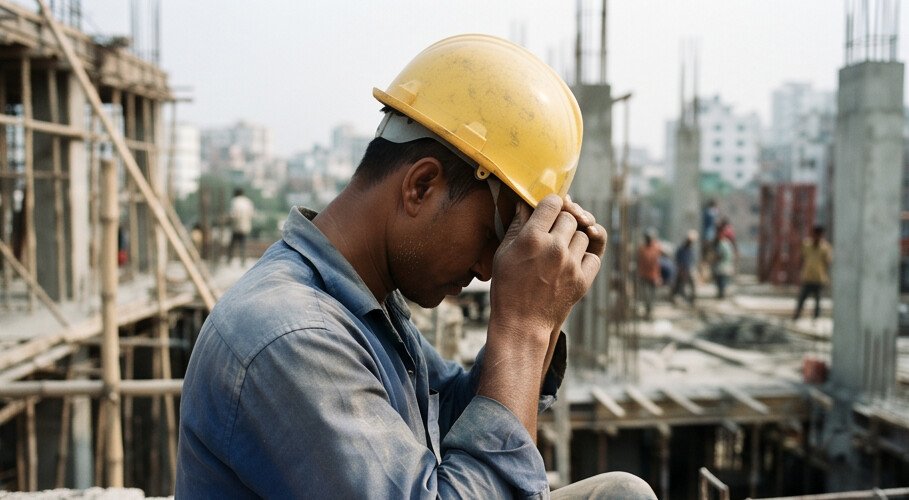

Working Safely in Heat: Hydration & Heat Stress
Construction work often takes place outdoors, under direct sunlight or in enclosed areas where heat builds up. Heavy physical work, high humidity and inadequate recovery time can make the body overheat.
Heat-related illness can begin with thirst, headache or unusual tiredness. It can progress to a life-threatening emergency if the warning signs are missed.
Heat safety is not about enduring discomfort. It is about recognizing the risk and acting before someone becomes seriously ill.

Why Heat Is a Serious Risk
When working in hot conditions, the body must release extra heat while continuing to support physical activity. High humidity makes cooling through sweat less effective, while protective clothing and strenuous tasks can add to the strain.
Construction workers may face additional risks when:
- Working for long periods in direct sunlight.
- Carrying heavy materials or performing strenuous tasks.
- Working on rooftops, upper floors or poorly ventilated areas.
- Wearing protective equipment that limits heat loss.
- Starting demanding work without enough time to adjust to hot conditions.
- Having limited access to drinking water, shade or rest breaks.
Heat affects concentration and physical performance. A worker who becomes dizzy, weak or confused may also be more likely to fall or make a dangerous mistake.
Recognizing the Warning Signs
Heat-related illness can develop gradually or become serious quickly. Workers and supervisors should recognize changes in how someone looks, feels or behaves.
Possible warning signs include:
- Heavy sweating.
- Headache or dizziness.
- Unusual tiredness or weakness.
- Muscle cramps.
- Nausea or vomiting.
- Feeling faint or unusually unwell.
These symptoms should never be dismissed as simply part of working hard. Stop the activity, move the person to a cooler place and assess the situation.
Confusion, collapse, seizures or altered consciousness in a hot worker may indicate heat stroke, a life-threatening emergency. Hot skin may be present, but sweating can continue. Do not wait for the skin to become dry before acting.
Heat Exhaustion and Heat Stroke
Recognizing the difference helps workers understand when urgent action is needed. However, symptoms can overlap, and it is not always possible to distinguish the conditions reliably on site.
Heat exhaustion
A person may experience heavy sweating, weakness, headache, dizziness, nausea or muscle cramps. They may feel faint or struggle to continue working.
What to do: Stop work, move the person to a cool or shaded area, loosen unnecessary outer clothing and begin cooling. If they are fully alert and can swallow safely, offer cool drinking water. Seek medical advice, especially if symptoms are significant, worsening or not improving promptly.
Heat stroke
Heat stroke is a medical emergency. Warning signs can include confusion, unusual behavior, collapse, seizures or reduced consciousness.
What to do immediately:
- Call emergency services.
- Begin rapid cooling while waiting for help. Move the person out of the heat, remove unnecessary outer clothing and use cold water, wet cloths, fanning or other available effective cooling methods.
- Stay with the person and monitor their breathing and responsiveness.
- Do not give anything to drink if they are confused, unconscious, having seizures or unable to swallow safely.
Do not delay cooling while waiting for an ambulance. Follow emergency dispatcher’s instructions.
Hydration, Shade and Rest
Preventing heat illness requires more than telling workers to drink water. Work schedules, access to shade and recovery time also matter.
Drink water regularly
- Make cool drinking water easily accessible throughout the workday.
- Drink regularly rather than waiting until you feel very thirsty.
- During prolonged, heavy sweating, suitable electrolyte replacement may be helpful. Follow workplace guidance and avoid excessive fluid intake.
Take recovery breaks
- Use shaded or cooler rest areas.
- Schedule suitable breaks based on the heat, workload and protective clothing.
- Allow extra recovery time when conditions become hotter or more humid.
Reduce direct heat exposure
- Use shade or temporary shelters where practical.
- Schedule strenuous work for cooler periods when possible.
- Wear appropriate protective clothing and follow task-specific PPE requirements.
Adjusting Work in Hot Conditions
Heat risk changes during the day. A routine that is manageable in the morning may become unsafe later as temperatures and humidity rise.
Supervisors should assess the conditions and adapt work accordingly.
- Introduce workers to hot conditions gradually, especially after time away from heat.
- Use a suitable heat-risk assessment that considers temperature, humidity, workload, clothing and other relevant factors.
- Arrange work-rest cycles appropriate to the assessed risk.
- Rotate demanding tasks where this genuinely reduces individual heat exposure.
- Check on workers regularly, particularly those working alone or in high-heat areas.
- Stop or modify work when conditions exceed the site’s safe working limits.
Workers should report symptoms early without fear of being blamed for slowing down the job.
A safe schedule adapts to the conditions. It does not expect the human body to ignore them.
Responding to Heat-Related Emergencies
If a worker shows signs of heat-related illness:
- Stop their work and move them to a cooler location if it is safe to do so.
- Begin cooling and remove unnecessary outer clothing.
- Assess their condition and seek medical assistance according to the symptoms.
- If heat stroke is suspected, call emergency services and cool the person rapidly.
- Do not leave an ill worker alone or send them back to work before they have been appropriately assessed.
If the person becomes unresponsive, check their breathing. If they are not breathing normally, call emergency services, obtain an AED if available and begin CPR according to your training and dispatcher instructions.
Do not give fluids to someone who is confused, unconscious, having seizures or unable to swallow safely.
Heat Safety Is a Shared Responsibility
Workers should drink regularly, use rest areas, report symptoms and look out for colleagues. Supervisors and site management should provide water, shade, suitable breaks, training and an effective response plan.
Neither side can manage heat risk alone. Workers need the means to stay safe, and management needs to respond when conditions change.
Quick Check
Before and during hot-weather work, ask:
☐ Is drinking water readily available?
☐ Is there a suitable shaded or cool rest area?
☐ Have work intensity and break periods been adjusted to the conditions?
☐ Do workers know the warning signs of heat illness?
☐ Does everyone know when to call for emergency help?
Heat can affect concentration, physical strength and the body’s ability to stay cool.
Take heat stress seriously, drink water regularly, rest when needed and recognize when someone needs urgent help.
STAY HYDRATED. TAKE REST. BEAT THE HEAT.
CONSTRUCTION WORKERS SAFETY
Learn | Prevent | Protect