Construction machinery makes heavy work possible, but moving parts, reversing vehicles and improper operation can cause serious injuries.
Whether working with a concrete mixer, cutting tool, excavator or crane, understanding the equipment and its hazards is essential for everyone’s safety.
Common Machinery Hazards
Machinery can cause harm when workers enter dangerous areas, equipment malfunctions or safe operating procedures are ignored.
Common hazards include:
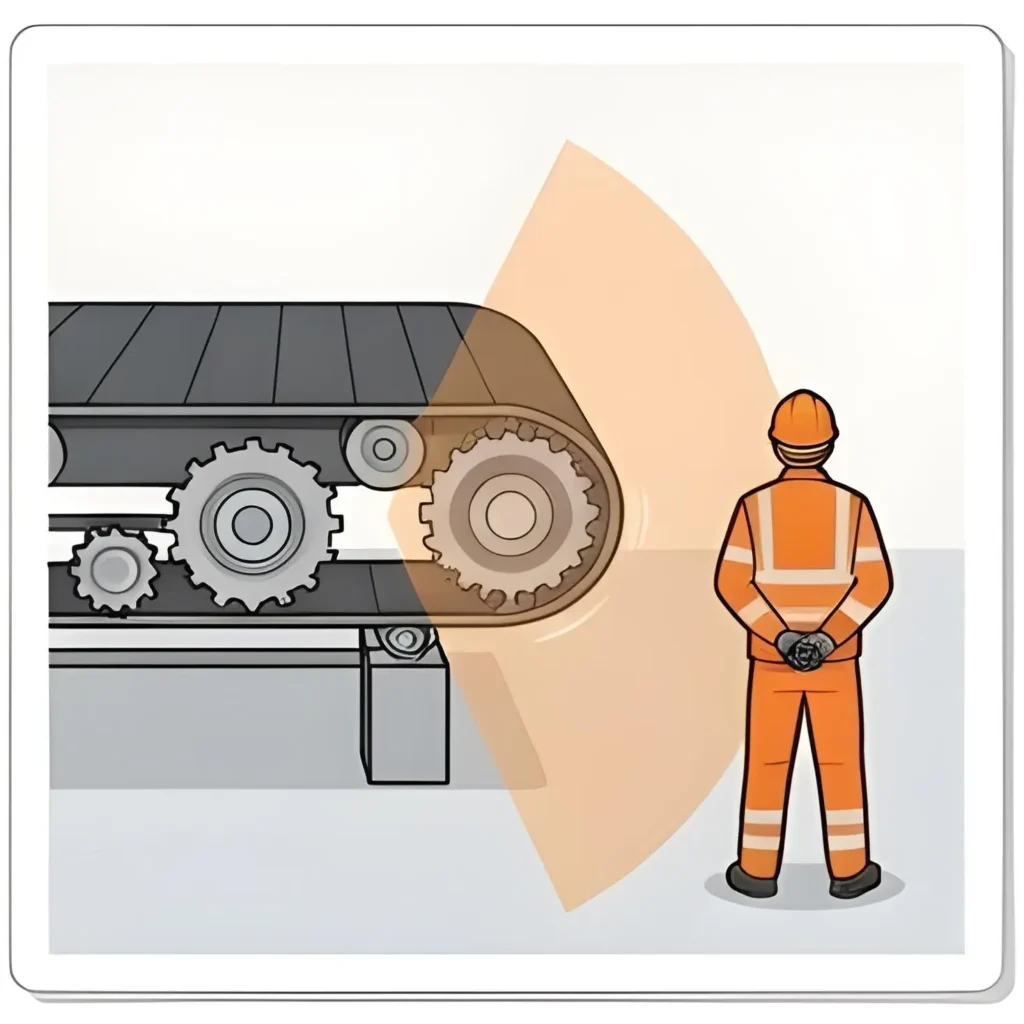
Moving and rotating parts
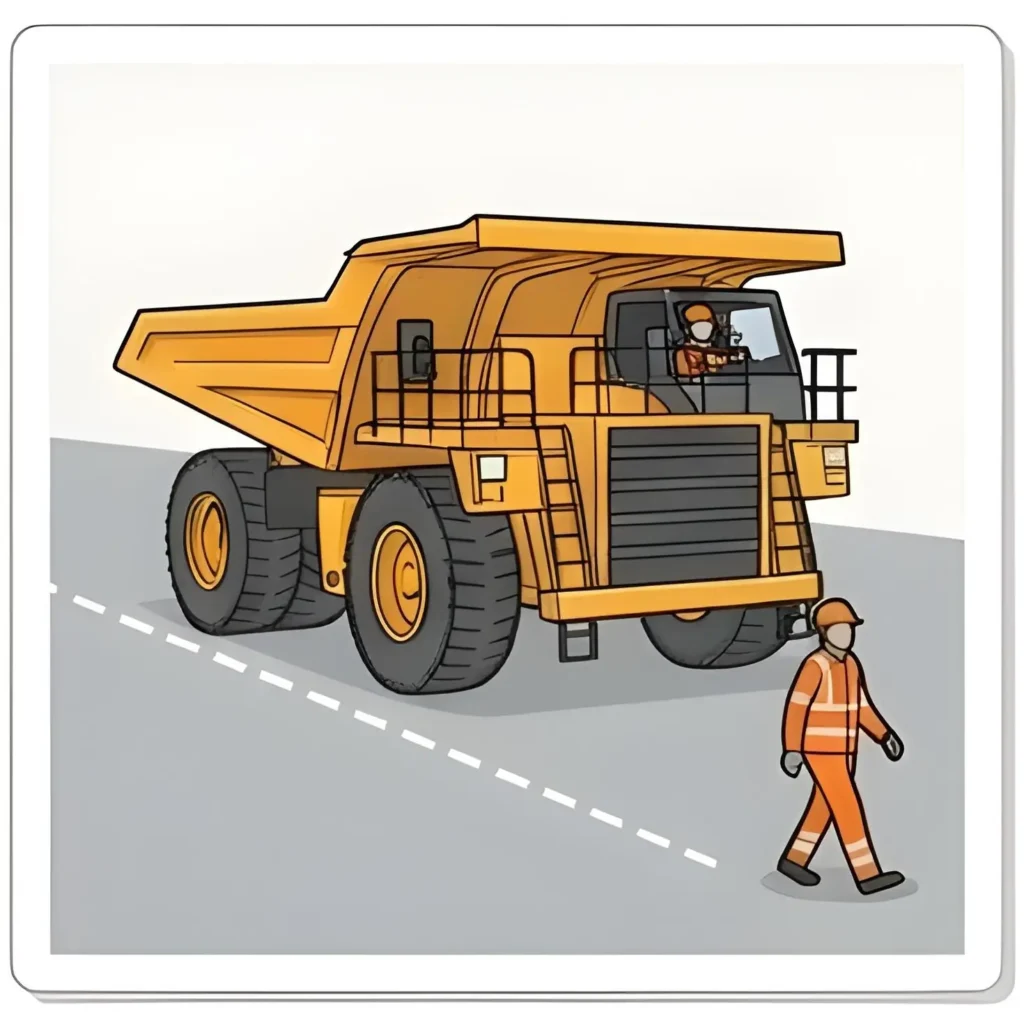
Reversing vehicles and blind spots
Workers caught between machinery and structures
Unsecured or falling machine attachments
Unexpected machine start-up
Defective tools or equipment
Moving and rotating parts
Reversing vehicles and blind spots
Workers caught between machinery and structures
Unsecured or falling machine attachments
Unexpected machine start-up
Defective tools or equipment
Keep Clear of Moving Machinery
Moving equipment can be difficult to stop quickly, and operators may not see people nearby.
Follow these practices:
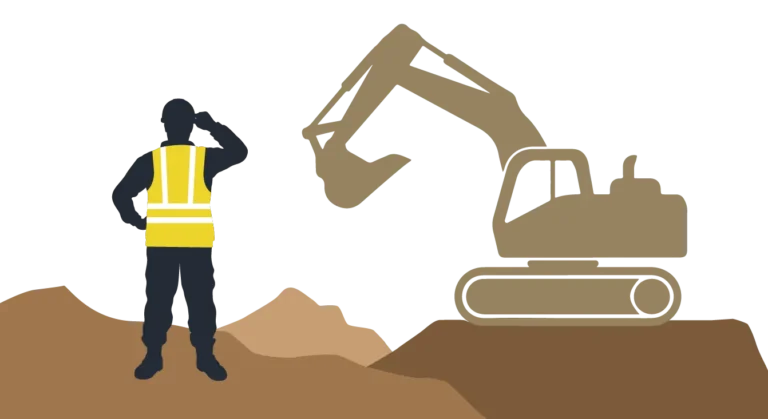
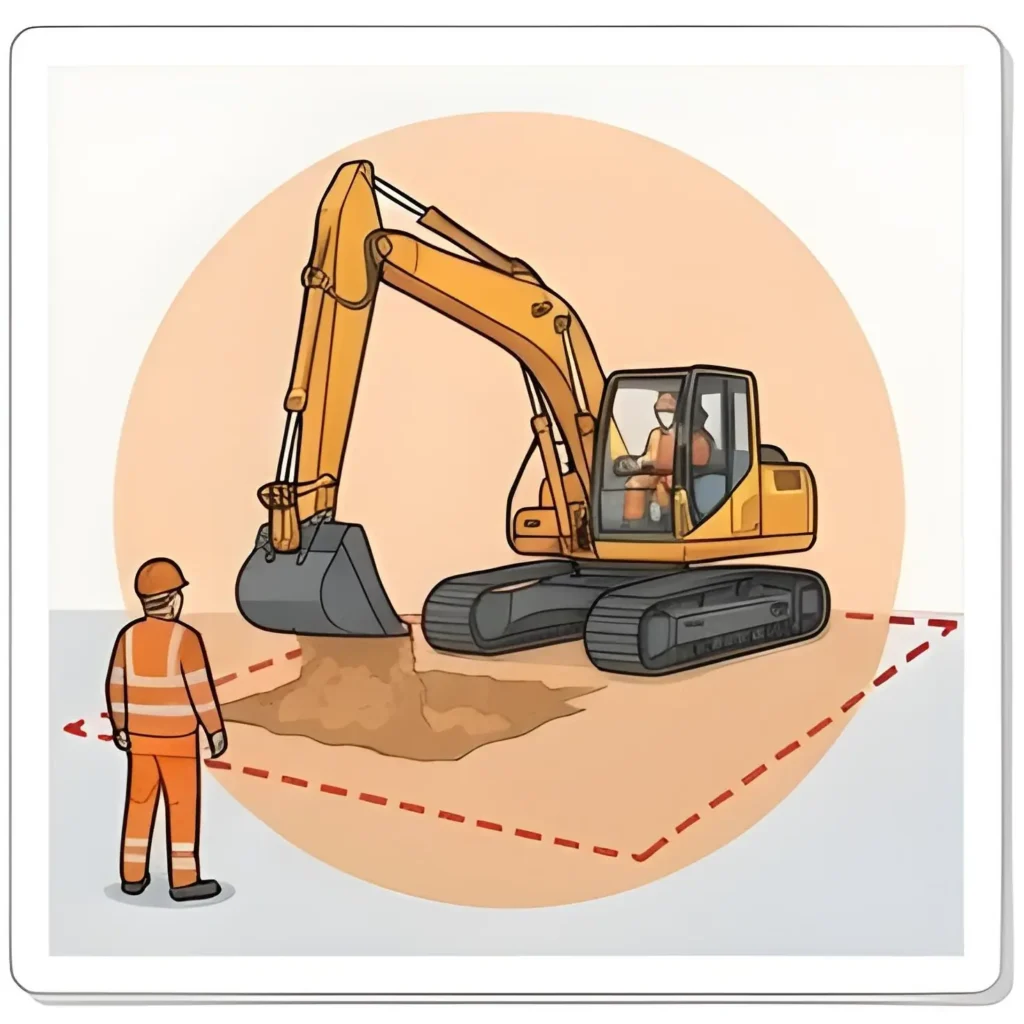
Stay outside designated operating and exclusion zones.
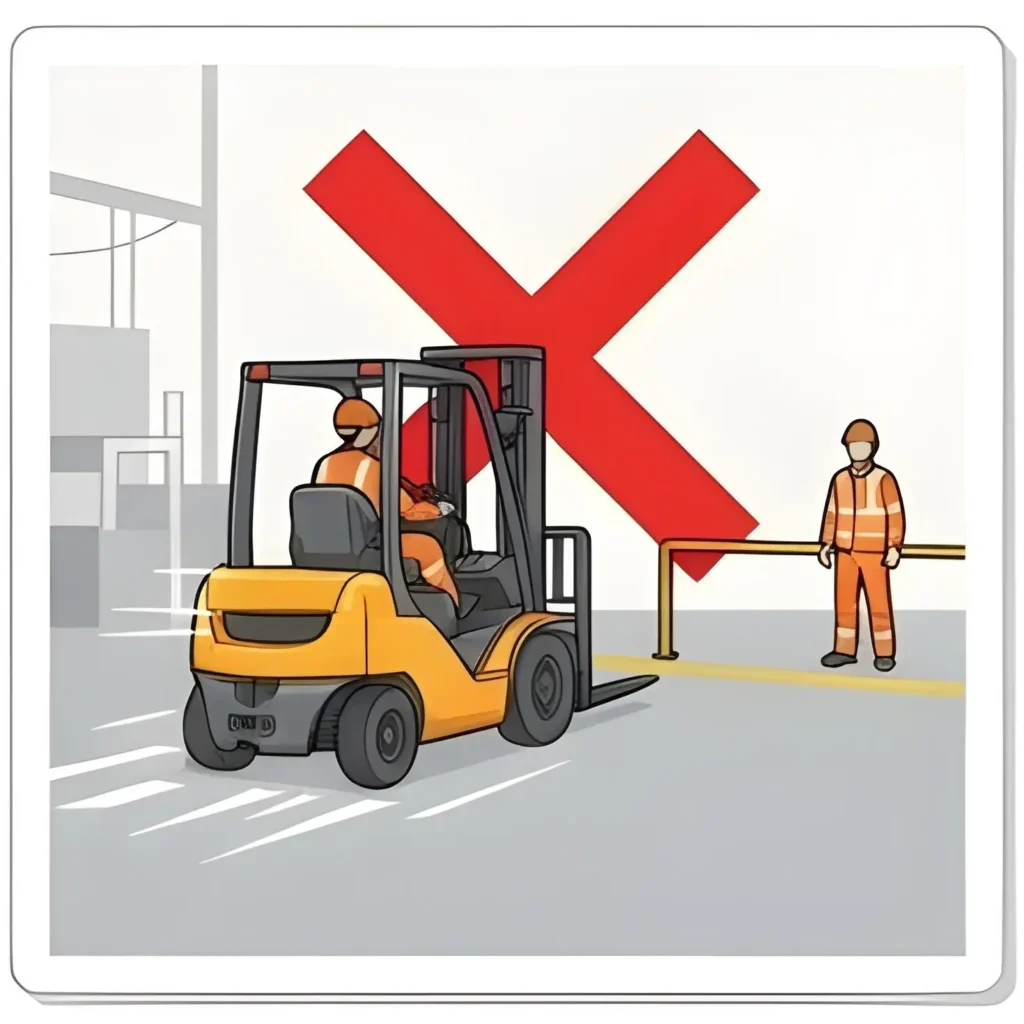
Never walk behind reversing vehicles unless it is safe and permitted.
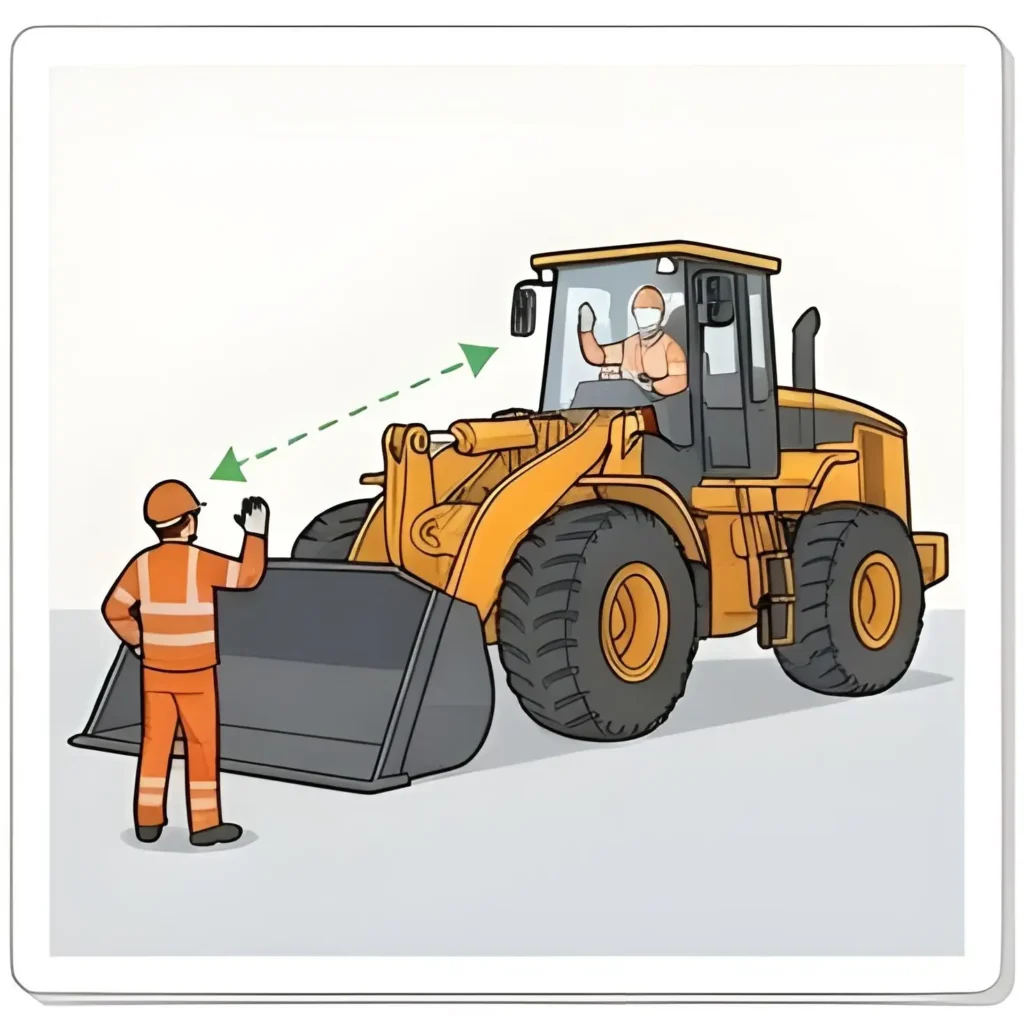
Make eye contact or use the site’s approved communication procedure before approaching an operator.
Never stand between moving machinery and a fixed object.
Keep clear of rotating parts and moving attachments.
Remember: Never assume an operator has seen you.
Operate Equipment Safely
Only trained, authorized and competent personnel should operate machinery that requires specific skills or authorization.
Before use:
Check for visible damage or defects.
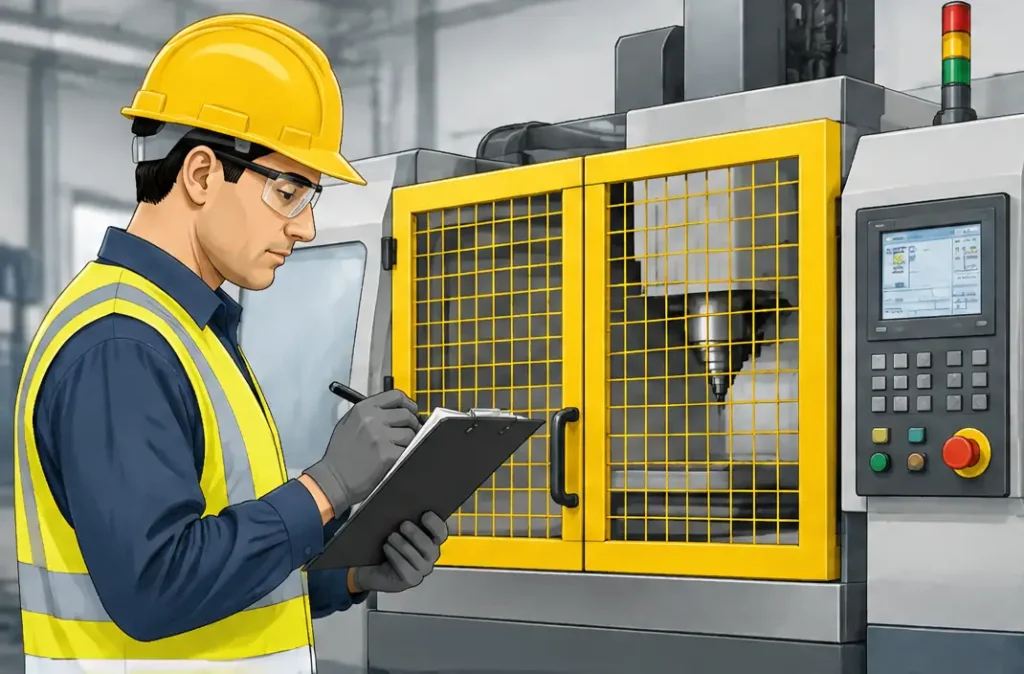
Ensure guards and safety devices are in place.
Use the equipment only for its intended purpose.
Follow the manufacturer’s instructions and site procedures.
Stop using equipment if it becomes unsafe.
Never remove a machine guard or bypass a safety device to save time.
Never Ignore Unexpected Movement
Machinery can start unexpectedly or move because of stored energy, faulty controls or improper isolation.
Before cleaning, adjusting, clearing a blockage or repairing equipment:
Stop the machine.
Isolate its energy sources using the approved procedure.
Apply lockout/tagout where required.
Verify that the equipment cannot start or move before work begins.
Simply switching a machine off may not make it safe to work on.
Protect Workers Around Equipment
Safe machinery operation also depends on coordination between operators and nearby workers.
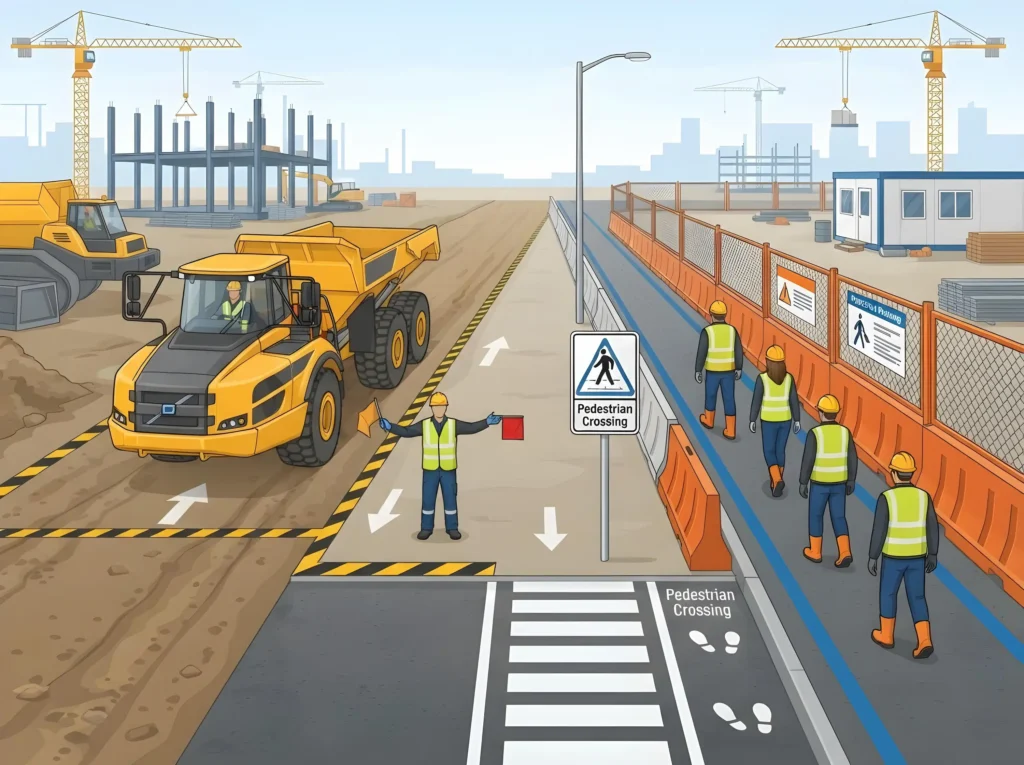
Keep pedestrian routes separate from machinery routes where possible.
Use designated crossing points.
Follow the site’s signals and communication procedures.
Use a trained spotter or banksman when required.
Never enter a restricted operating zone without authorization.
Quick Machinery Safety Check
☐ Is the equipment in safe working condition? ☐ Are guards and safety devices in place? ☐ Is the operating area clear of people? ☐ Can the operator see nearby workers? ☐ Do I know the safe route around the equipment? ☐ Has unsafe equipment been reported and taken out of service?
Moving parts show no mercy. Confirm all guards are intact and controls are clear.