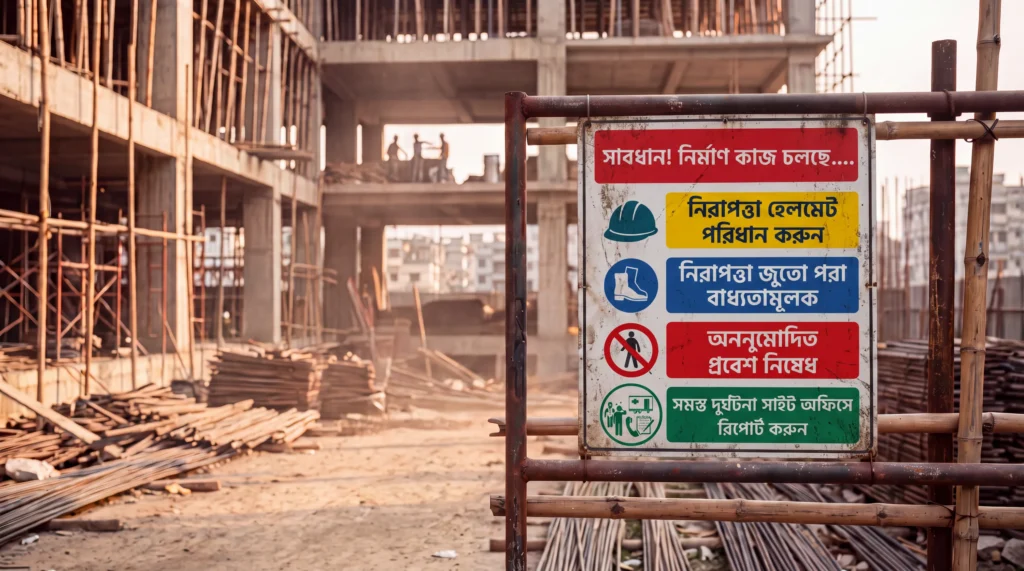
Safety signs are one of the simplest ways to communicate danger, restrictions, instructions and emergency information on a construction site.
You may see dozens of signs during a normal working day. Understanding their shape, colour and symbol can help you recognize a hazard and know what to do before entering or starting work.
Why Do Safety Signs Matter?
A construction site is constantly changing. Workers may move between different areas, machinery may be operating, new hazards may appear and certain areas may become restricted. A safety sign provides a quick visual message when there may not be enough time to read a long instruction.
A safety sign doesn’t replace safe work practices. It helps communicate them.
See the sign. Understand the message. Take the right action.
Common Construction Safety Signs
⚠️ 1. Warning
Purpose:
Alerts you to a hazard or potential danger.
Typical appearance:
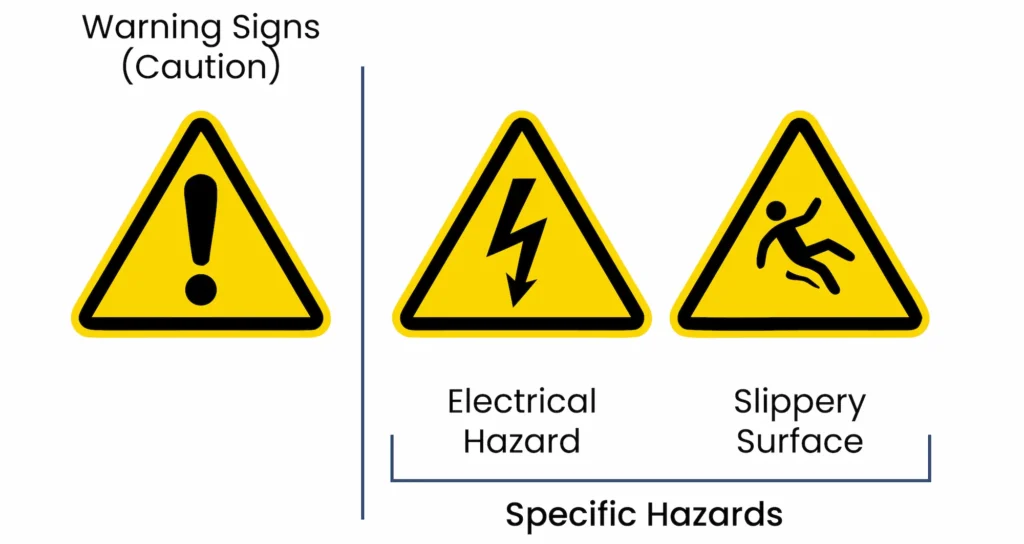
Yellow background + black symbol
What should you do?
Slow down. Identify the hazard. Follow the required precautions.
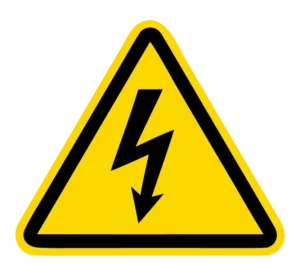
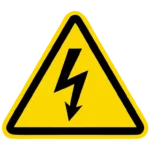
Electricity
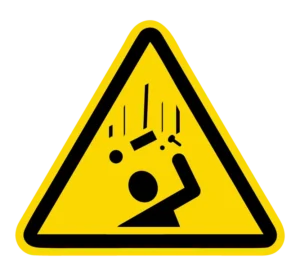
Falling Objects
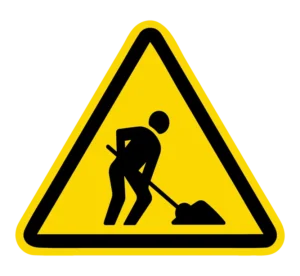
Construction Area
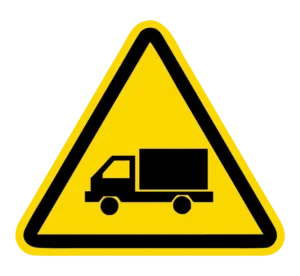
Moving Vehicles
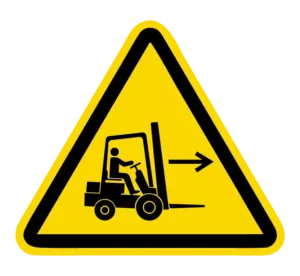
Forklift
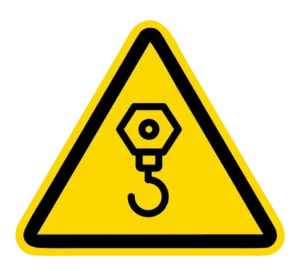
Crane Operations
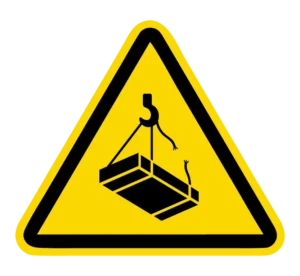
Overhead Load
Excavation
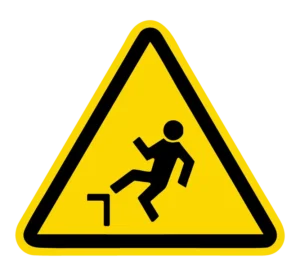
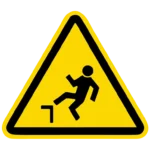
Open Edge / Fall Hazard
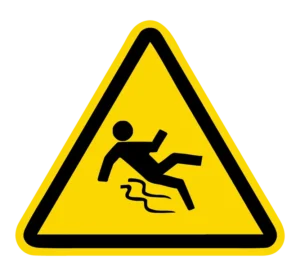
Slippery Surface
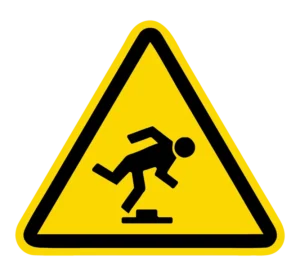
Trip Hazard
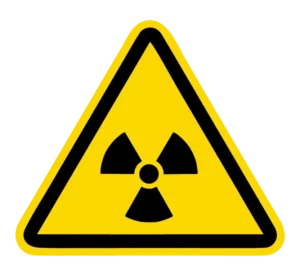
Hazardous Materials
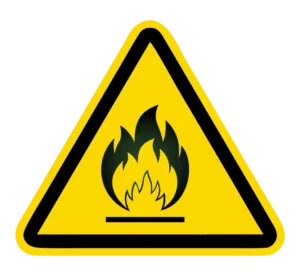
Flammable Materials
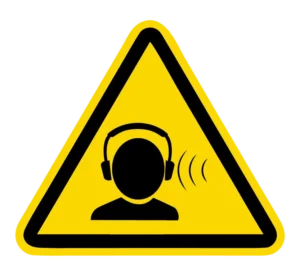
High Noise
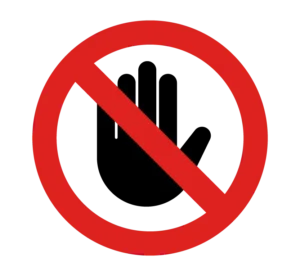
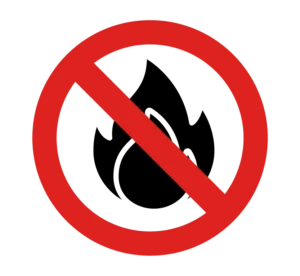
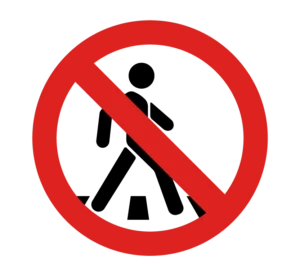
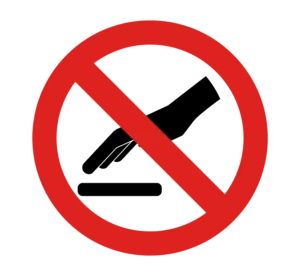
⛔ 2. Prohibition
Purpose:
Tells you something that must not be done.
Typical appearance:
Red circle with a diagonal line
What should you do?
Stop and do not perform the prohibited action.
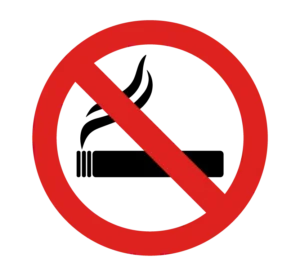
No Smoking
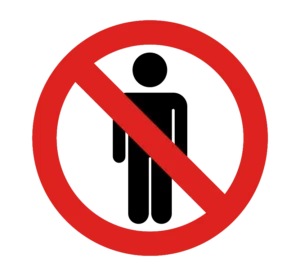
No Entry
No Unauthorized Personnel
No Open Flame
No Pedestrians
Do Not Touch
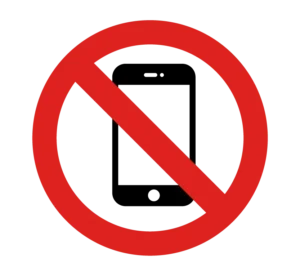
No Mobile Phones
No Drinking Water
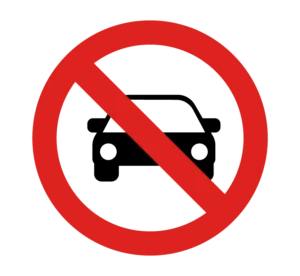
No Access for Vehicles
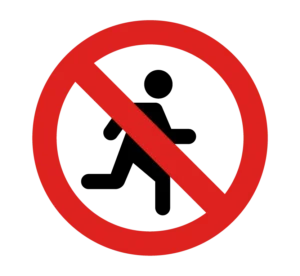
No Running
🦺 3. Mandatory
Purpose:
Tells you what you must do.
Typical appearance:
Blue circular sign
What should you do?
Follow the instructions before proceeding.
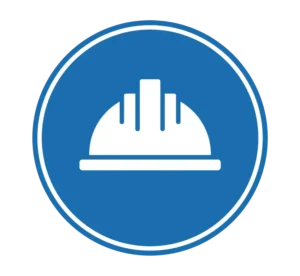
Safety Helmet
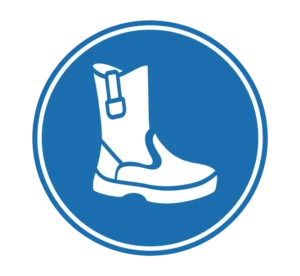
Safety Footwear
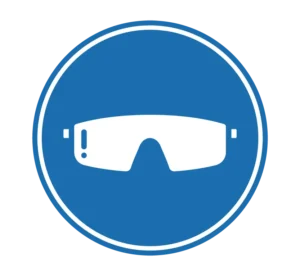
Eye Protection
Hearing Protection
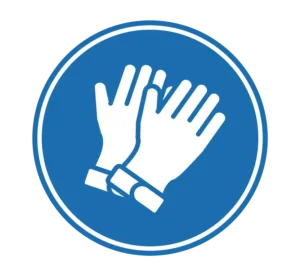
Safety Gloves
Respiratory Protection
High-Visibility Clothing
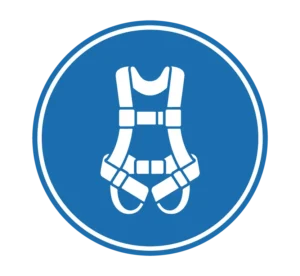
Fall Protection Harness
Face Shield
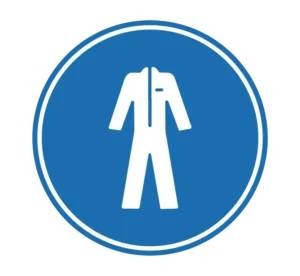
Protective Clothing
🚪 4. Emergency / Safe Condition
Purpose:
Shows information about safe conditions or emergency facilities.
Typical appearance:
Green sign
Examples:
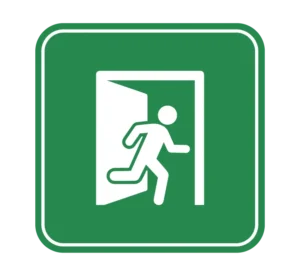
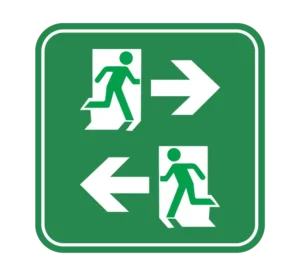
Emergency Exit
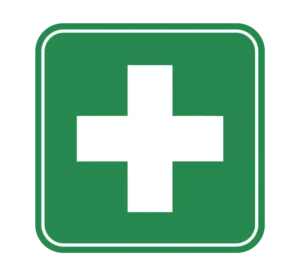
First Aid
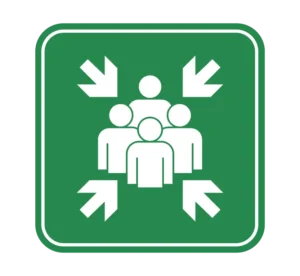
Assembly Point
Emergency Shower
Safe Route
What should you do?
Know where these signs lead before an emergency happens.
Emergency Exit
First Aid
Assembly Point
Safe Route
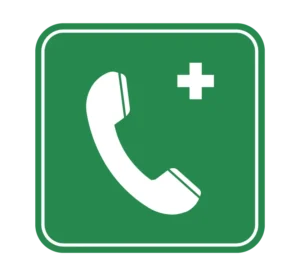
Emergency Telephone
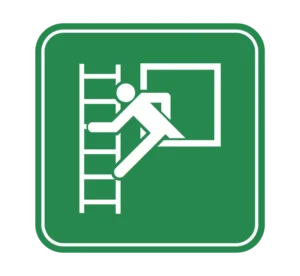
Emergency Escape Ladder
Stretcher
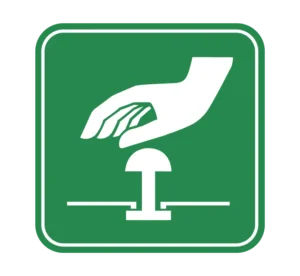
Emergency Stop
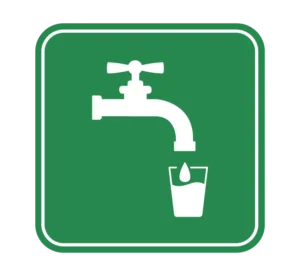
Drinking Water
Don't Just Look at the Colour
Colour gives you a quick clue, but the symbol and wording provide the specific message.
For example:
“Yellow + lightning symbol” doesn’t simply mean “be careful.” It communicates: “Electrical hazard”
Similarly:
“Blue + helmet symbol” means: Head protection is required
Read the whole sign, not just the colour.
Signs You Should Never Ignore
Some signs require immediate attention.
⚡ Electrical Hazard
Electricity can cause severe injury or death.
Don’t:
Touch exposed electrical components
Enter restricted electrical areas
Use damaged electrical equipment
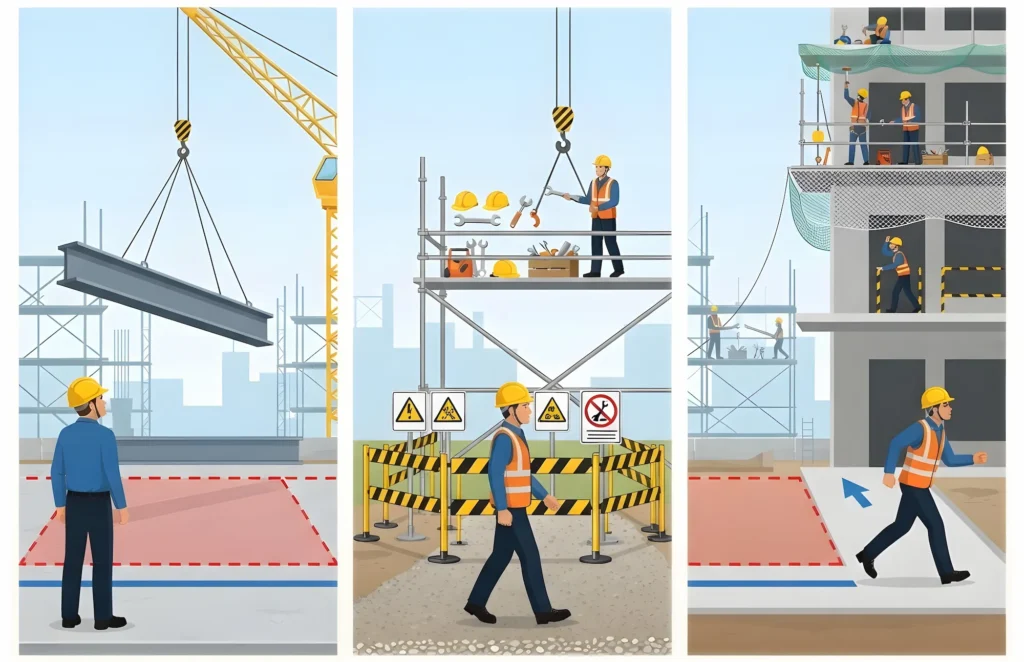
🏗️ Falling Objects
Materials or tools can fall from elevated work areas.
Don’t:
Stand beneath suspended loads
Enter barricaded areas
Ignore overhead work
🪢 Fall Hazard
An elevated edge or opening can present a serious fall risk.
Don’t:
Cross barriers
Remove guardrails without authorization
Work without the required protection
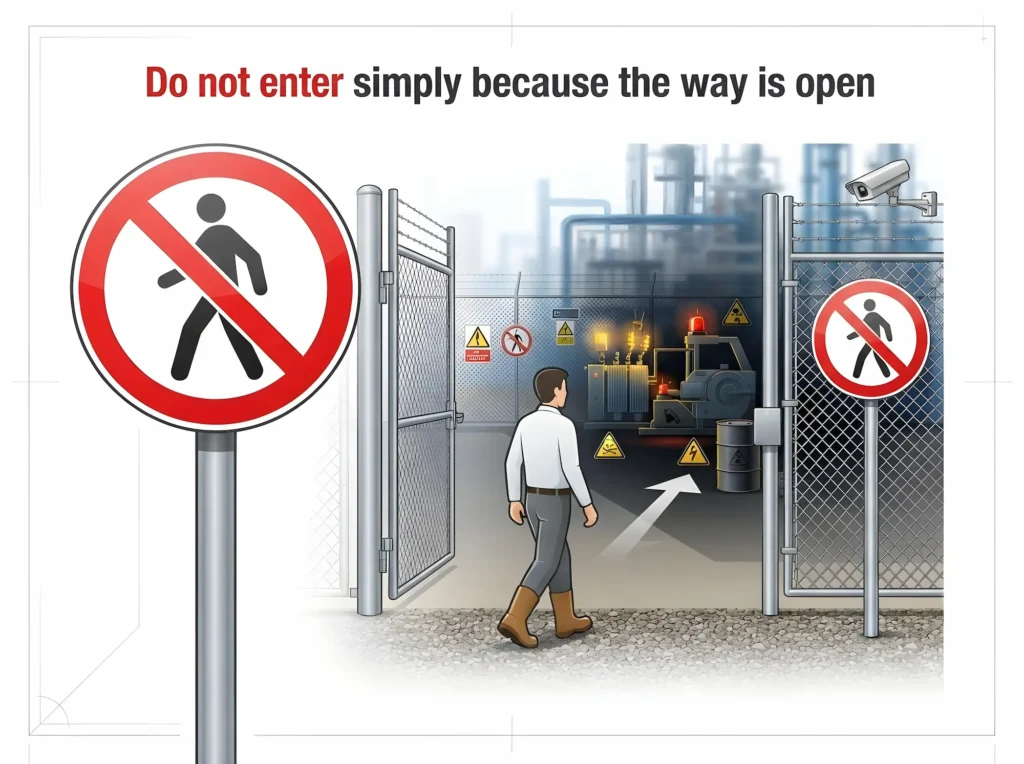
🚧 Restricted Area
Some areas may contain hazards that require special authorization or controls.
Don’t:
Don’t enter simply because the way is open.
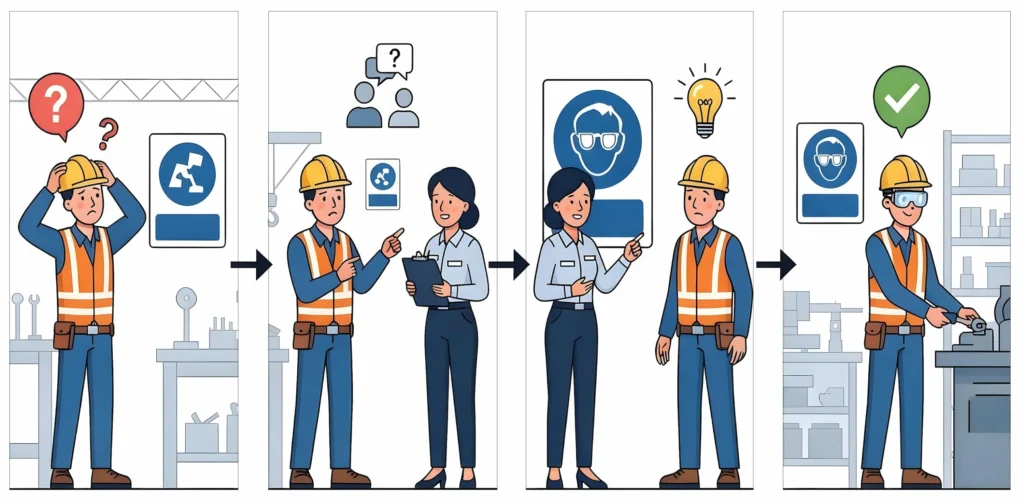
What If You Don't Understand a Sign?
If you don’t understand a safety sign:
STOP
Don’t guess.
ASK
Ask your supervisor or responsible person.
UNDERSTAND
Know what the sign means and what action is required.
ACT
Follow the instruction before continuing.
Not understanding a safety sign is a reason to ask, not a reason to ignore it.
Signs Can Change
Construction sites are constantly changing.
A sign that was not there yesterday may be there today because:
A new activity has started
A hazardous area has been created
Equipment has moved
Work is taking place overhead
An area has become restricted
An emergency route has changed
Every time you enter a construction site, look around.
New work can mean new hazards and new signs.
Safety Signs Speak Without Words
On a busy construction site, there may not always be time for a long explanation.
A simple symbol can tell you:
Stop | Be careful | Wear protection | Keep out | Find the emergency route
Understanding these signs is a small skill that can make a big difference.
Know the sign. Know the risk. Make the safe choice.