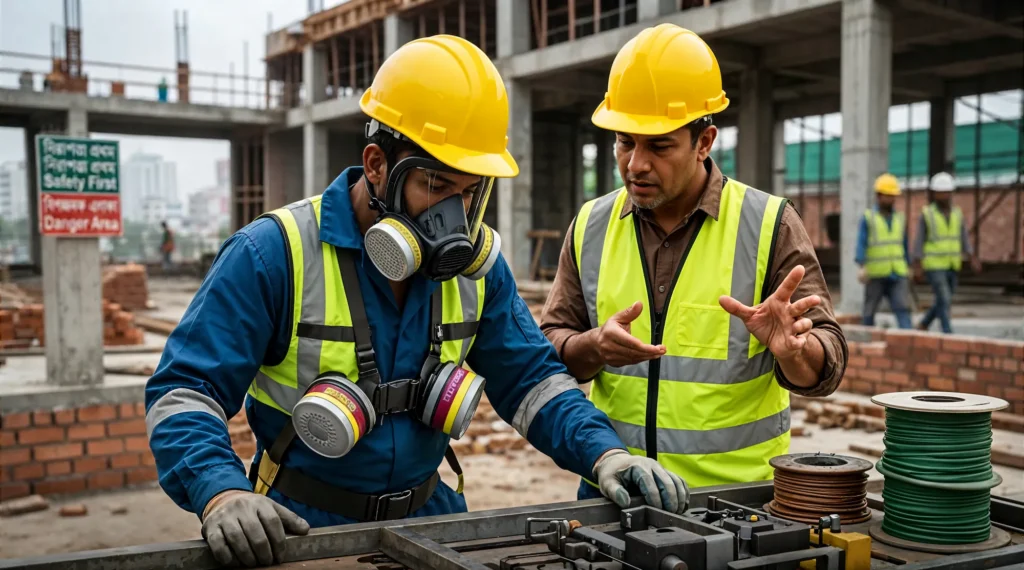
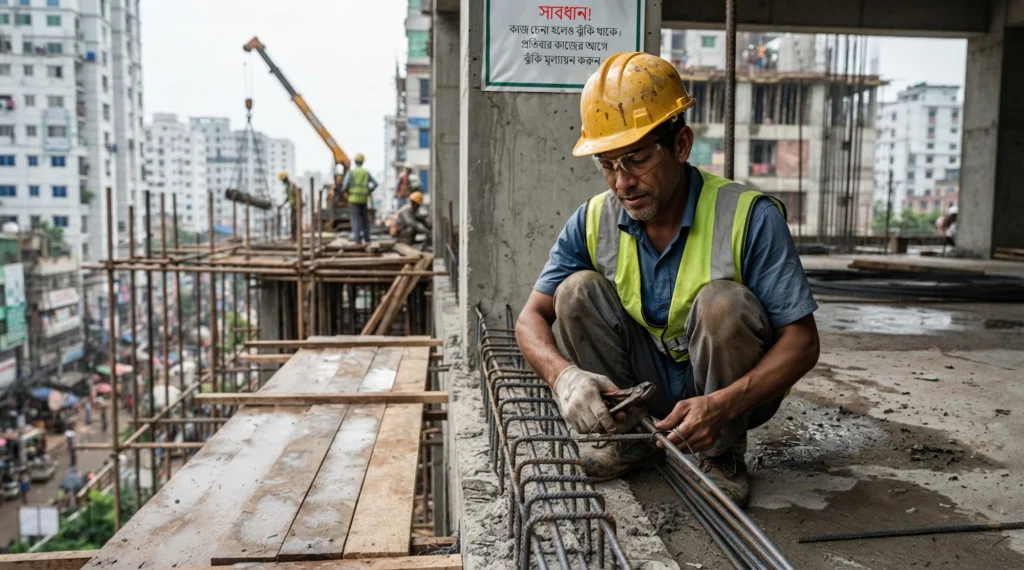
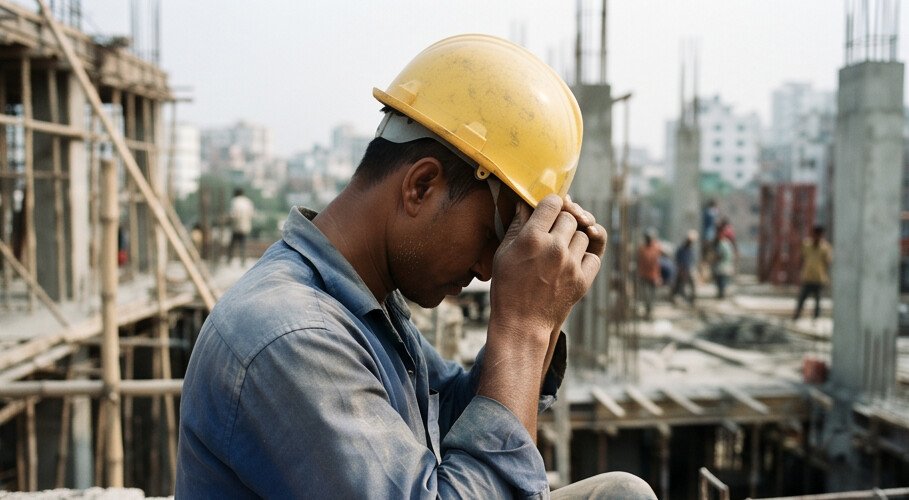
A few minutes of preparation can prevent an accident.
Before starting work, don’t just pick up your tools and begin. Take a moment to understand the task, check the work area, inspect the conditions and equipment, wear the right protection, and make sure you know what to do if something goes wrong.
STOP… CHECK… THEN START…
Why Should You Check Before Starting?
Construction sites change throughout the day.
A work area that was safe earlier may now have:
New materials
Openings or edges
Electrical cables
Moving machinery
Wet or uneven surfaces
Work happening overhead
Changed access routes
New workers or equipment
Temporary barriers or restricted areas
Starting work without checking means you may be working with information that is already outdated.
The first step of safe work is understanding the situation. Don’t start with the task. Start with the check.
The 7 Things to Check
01. Check The Task
Do you know exactly what you are going to do?
Before starting, understand:
What is the job?
Where will you do it?
What steps are involved?
What tools or equipment are required?
Are there any special instructions?
Have conditions changed since the task was planned?
If you don’t understand the task, ask before starting.
02. Check The Work Area
Is the area safe to enter and work in?
Look around before you begin:
Open edges and floor openings
Scaffolding problems
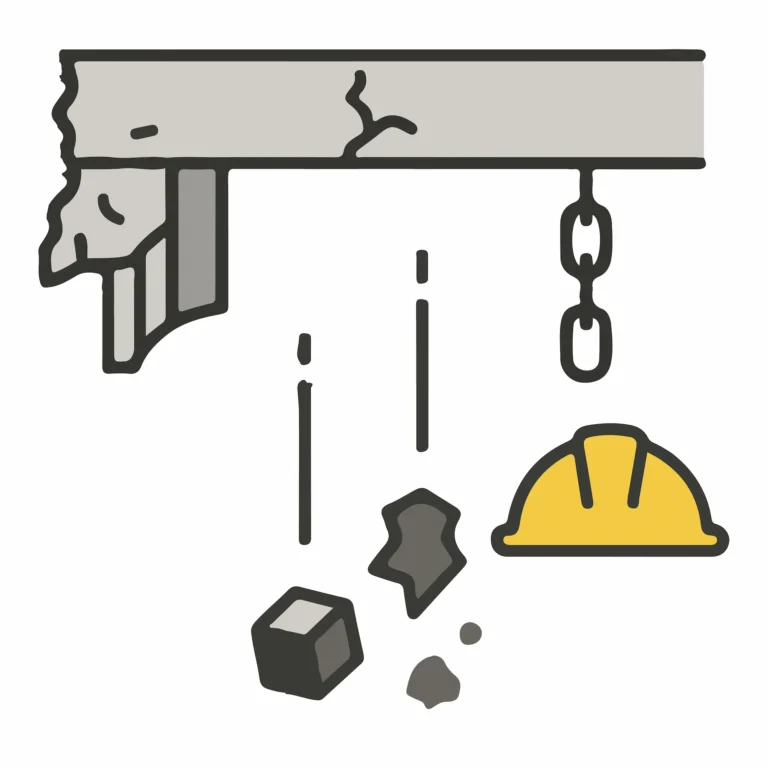
Loose or falling materials
Electrical hazards
Moving vehicles or machinery
Uneven or slippery surfaces
Poor lighting
Obstructions
Work happening above you
Restricted areas
Don’t assume that a familiar work area is automatically safe.
LOOK UP. LOOK DOWN. LOOK AROUND.
03. Check The Conditions
Has anything changed around you?
The environment can affect how safely a task can be performed, check:
Weather conditions for outdoor work
Lighting
Floor or ground condition
Visibility
Temperature and heat
Noise
Access and walkways
Temporary barriers or protection
Changes to the work area
A task that was safe under one set of conditions may become unsafe when conditions change.
Every shift deserves a fresh check.
SAME TASK DOESN’T ALWAYS MEAN SAME RISK.
04. Check Your Tools & Equipments
Is your equipment safe to use?
A damaged tool can turn a routine task into an accident.
Before using a tool or piece of equipment, check:
Is it damaged?
Are cables or plugs intact?
Are guards in place?
Are handles secure?
Are moving parts functioning correctly?
Is the equipment suitable for the task?
Does it require inspection or authorization?
Do you know how to operate it safely?
Never use damaged equipment just because the job needs to be finished.
Don’t simply leave a damaged tool where someone else may use it.
If something is damaged:
STOP → REMOVE FROM USE → REPORT
05. Check Your PPE
Are you wearing the right protection for the task?
PPE should match the hazards you may face.
Depending on the work, this may include:
Safety helmet
Safety footwear
Eye protection
Gloves
Hearing protection
High-visibility clothing
Respiratory protection
Fall protection equipment
But don’t simply ask: “Am I wearing PPE?”
Ask: “Am I wearing the right PPE for this task?”
Quick PPE Check
RIGHT TYPE → GOOD CONDITION → CORRECT FIT → PROPERLY USED
06. Check Other People & Activities
Are other activities creating a risk around you?
You may not be working alone.
Before starting, look for:
Moving vehicles
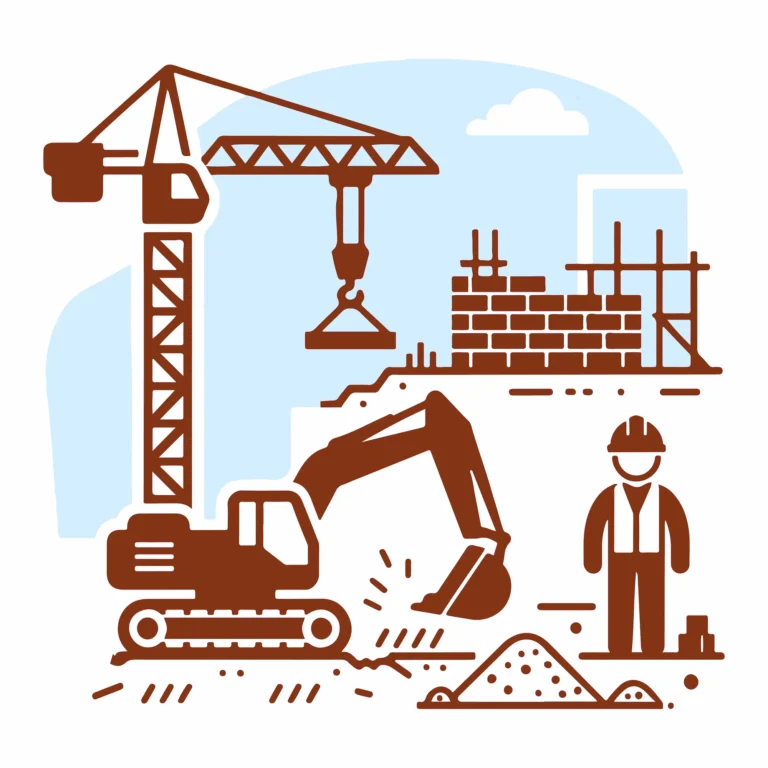
Crane or lifting operations
Workers above or below you
Electrical work
Welding or hot work
Machinery operating nearby
Other teams working in the same area
Materials being moved or stored nearby
Your task may be safe on its own, but another activity can create a new risk.
KNOW WHAT IS HAPPENING AROUND YOU.
07. Check The Emergency Plan
Do you know what to do if something goes wrong?
You don’t need to expect an emergency. But you should know what to do if one happens.
Before starting work, know:
Where is the nearest safe exit?
Where is the emergency assembly point?
Where can you get first aid?
How can you raise an alarm?
Who should you contact?
Are there specific emergency instructions for this area?
KNOW BEFORE YOU NEED TO KNOW.
EMERGENCY → RAISE ALARM → GET TO SAFETY → REPORT / GET HELP
What If You Find a Problem?
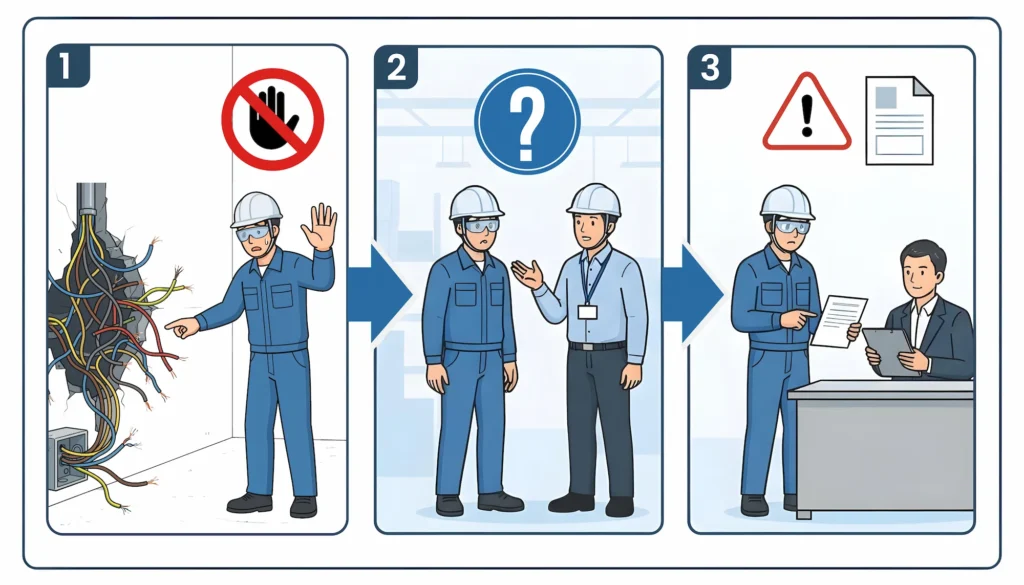
Finding a hazard is not the end of the process. What matters is what you do next.
STOP → ASK → REPORT
Never ignore a problem just because you are worried about delaying the work.
A short delay is better than an accident.
Stop
Don’t continue if the situation is unsafe.
ASK
If you are unsure, speak to your supervisor or responsible person.
Report
Tell the appropriate person about the hazard or equipment problem.
Tell the appropriate person about the hazard or equipment problem.
If you are authorized and it is safe to do so, follow site procedures to isolate, barricade or otherwise control the hazard.
Never ignore a problem just because you are worried about delaying the work. A short delay is better than an accident.
Don't Let Familiarity Create Risk
One of the biggest problems on construction sites is becoming too comfortable with a task.
A worker may think: “I’ve done this many times.”
But familiarity doesn’t remove the hazard. Conditions can change.
The equipment may have changed. The work area may have changed. The weather may have changed. Other workers may be working nearby. A new hazard may have appeared.
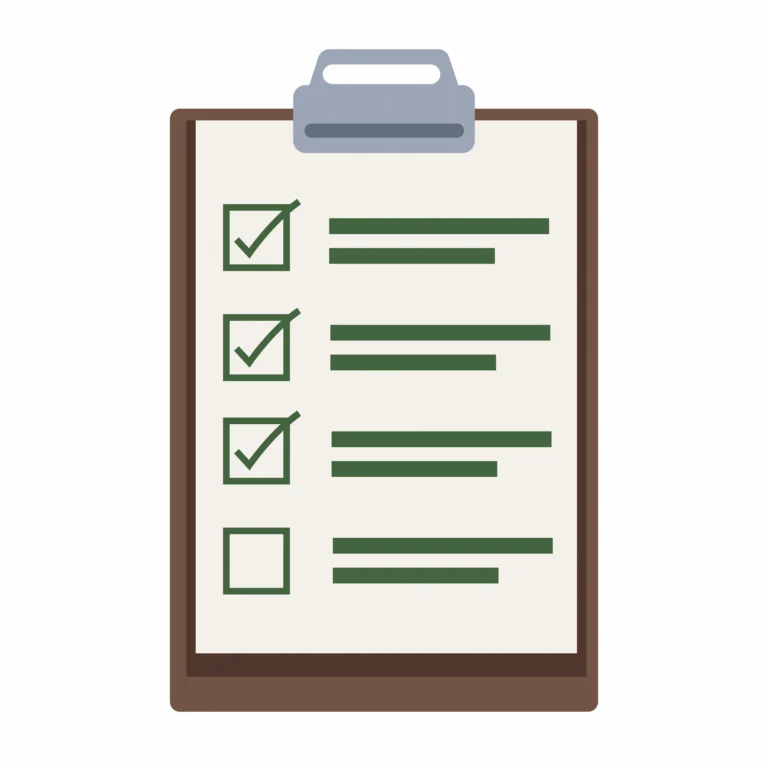
Quick Pre-Start Checklist
Before You Start
☐ I understand the task. ☐ I have checked the work area. ☐ I have checked the working conditions. ☐ My tools and equipment are in good condition. ☐ I have the right PPE. ☐ My PPE fits and is being used correctly. ☐ I know what other activities are happening around me. ☐ I know where to get help. ☐ I know the emergency procedure. ☐ I have reported any unsafe condition.
If something doesn’t look right, would you start anyway?
The safe answer is “NO”.
Recall the 7 Safety Checks
1.
Task
Know what you’re doing.
2.
Area
Know where the hazards are.
3.
Conditions
Know what has changed.
4.
Tools
Check what you’re using.
5.
PPE
Wear the right protection.
6.
People
Know what is happening around you.
7.
Emergency
Know what to do if something goes wrong.
ALWAYS CHECK BEFORE YOU START.
Safety starts before the work begins.
You don’t have to predict every accident. You do have to take the time to check.